
Roulette. The name itself conjures images of glamorous casinos, high-stakes bets, and the mesmerizing spin of the wheel. More than just a game, roulette is a cultural icon, a symbol of chance and fortune recognized around the globe. Its enduring appeal isn’t a fleeting trend; it’s a testament to a classic that has captivated players for centuries.
From its humble beginnings to its starring roles in countless films and novels, roulette has maintained its allure through generations. It’s a game where luck reigns supreme, yet subtle strategies and betting systems add a layer of intellectual engagement. The social aspect, with players gathered around the table sharing in the anticipation, further contributes to its timeless charm. Roulette isn’t just about winning or losing; it’s about the experience, the thrill, and the shared moment of watching that little ball determine fate.
A Brief History of Roulette: From Parisian Salons to Online Casinos
The story of roulette is a fascinating journey through time, beginning in the elegant gaming rooms of 18th-century Paris and culminating in the digital casinos of today. Its invention is often attributed to Blaise Pascal, the French mathematician who, in his quest to invent a perpetual motion machine, inadvertently created an early form of the roulette wheel. This initial design combined elements of various existing games.
Roulette quickly gained popularity among the French aristocracy. As the game spread across Europe, it underwent some changes. The single-zero roulette wheel became the standard in many European casinos, offering players better odds. However, when roulette made its way to America, the double-zero wheel emerged, increasing the house advantage and adding a unique twist to the game.
The advent of the internet revolutionized roulette’s accessibility. Online casinos brought the thrill of the roulette table to players’ homes, offering various versions of the game. Today, players can enjoy roulette anytime, anywhere, experiencing a game with roots stretching back centuries.
Understanding Roulette Basics: An Expert’s Guide
Roulette, a casino game of chance, involves a spinning wheel and a betting table. Mastering the basics is crucial before diving into strategies. The core elements include the roulette wheel itself, the table layout with its betting options, and grasping the terminology used.
The Roulette Wheel: European vs. American
There are two main types of roulette wheels: European and American. The European wheel features numbers 1 to 36, alternating red and black, plus a single zero (0). The sum of the numbers on the roulette wheel is 666. The American wheel has the same numbers but includes an additional double zero (00). This seemingly small difference significantly impacts the odds. The European wheel offers better odds for the player due to the absence of the double zero, reducing the house edge.
Decoding the Table Layout
The roulette table mirrors the wheel, presenting various betting sections. These sections are divided into “inside bets” and “outside bets.” Inside bets are placed on specific numbers or small groups of numbers. Outside bets cover broader categories like color (red or black), odd or even numbers, or number ranges.
Roulette Terminology: A Quick Glossary
Navigating the roulette table requires understanding common terms. Here’s a brief overview:
- Straight Up: A bet on a single number.
- Split: A bet on two adjacent numbers.
- Street: A bet on a row of three numbers.
- Corner (or Square): A bet on four numbers that form a square.
- Red/Black: A bet that the winning number will be red or black.
- Odd/Even: A bet that the winning number will be odd or even.
- High/Low: A bet that the winning number will be in the high (19-36) or low (1-18) range.
Familiarizing oneself with these basic game elements – the roulette wheel variations, table layout intricacies, and essential terminology – provides a solid foundation for further exploration of roulette strategies and gameplay.

The Allure: Simplicity and Social Engagement
The roulette allure is undeniable, drawing players in with its simple premise and exciting social dynamics. Unlike some casino games that require complex strategies and lengthy learning curves, roulette boasts a straightforward set of rules easily grasped by newcomers. This accessibility is a major factor in its widespread appeal. Quickly mastering the basics allows players to focus on the thrill of the game rather than being bogged down by intricate details.
Roulette isn’t just about individual bets; it’s a shared casino experience. The atmosphere around a roulette table is palpable. Friends can gather, sharing strategies, wins, and commiserating over near misses. The communal aspect enhances the enjoyment, transforming a simple game of chance into a memorable social event. The anticipation builds as the croupier spins the wheel, and the little white ball dances between the numbered slots. All eyes are glued to the spinning wheel, everyone waiting with bated breath. Laughter, groans, and cheers erupt as the outcome is revealed, creating a dynamic and engaging environment.
Whether played in a brick-and-mortar casino or online, the inherent sociability of roulette adds another layer of enjoyment. It’s a game where everyone can participate, regardless of skill level, making it a popular choice for both seasoned gamblers and casual players alike.
Luck or Strategy? A Balanced Expert Perspective
Roulette, with its spinning wheel and numbered pockets, often ignites the age-old debate: is it purely a game of chance, or can strategy tip the odds in your favor? The truth, as with most things, lies in a nuanced middle ground. The inherent randomness of the ball’s trajectory dictates that no strategy can guarantee a win. Each spin is an independent event, uninfluenced by previous outcomes. This is the cold, hard reality of probability.
However, the allure of betting systems persists, fueled by the desire to find patterns in the chaos. Systems like Martingale (doubling your bet after a loss) or Fibonacci (following the Fibonacci sequence for bet sizing) aim to manage risk and capitalize on winning streaks. While these systems provide a structured approach to betting, they cannot alter the fundamental odds of the game. The house edge remains, a constant gravitational pull working against the player. Expert analysis reveals that betting systems are essentially methods of money management, influencing the size and frequency of bets, but not the underlying probability of winning.
Know When To Quit
Achieving success in roulette, or any gambling venture for that matter, hinges heavily on mastering the art of knowing when to pull away. The burning desire to keep playing, to chase losses or further amplify wins, is often the insidious force that undermines even the most carefully crafted strategies. It’s a paradox: the very pursuit of profit can be the obstacle to obtaining it.
Cultivating a “winning state of mind” is paramount. This involves setting realistic goals, defining acceptable loss limits, and adhering to them rigorously. Equally crucial is the emotional intelligence to recognize when the tide is turning. Luck, by its very nature, is ephemeral. A winning streak can vanish in an instant, replaced by a string of losses. The ability to discern this shift, to sense the subtle change in momentum, and to act decisively by quitting, is the hallmark of a savvy player. Discipline, not desperation, is the key to long-term sustainability in the unpredictable world of roulette.
Betting Tactics: A Guide to Placing Your Bets
Roulette offers a dynamic betting landscape with a multitude of options, each carrying its own risk and reward profile. Understanding these betting options is crucial for formulating effective roulette strategies and maximizing your chances of winning.
Inside Bets: Targeting Specific Numbers
Inside bets focus on specific numbers or small groups of numbers within the inner section of the roulette table. These bets generally offer higher payouts but come with lower odds of winning.
- Straight Up: A bet on a single number. This offers the highest payout of 35 to 1.
- Split Bet: A bet on two adjacent numbers on the table. Place your chip on the line between the two numbers. Payout is 17 to 1.
- Street Bet: A bet on three numbers in a horizontal row. Place your chip on the outer edge of the row. Payout is 11 to 1.
- Corner Bet (or Square Bet): A bet on four numbers that form a square. Place your chip at the corner where the four numbers meet. Payout is 8 to 1.
- Six Line Bet: A bet on two adjacent rows of three numbers each, totaling six numbers. Place your chip on the outer edge where the two rows meet. Payout is 5 to 1.
Outside Bets: Broader Coverage
Outside bets are placed on sections surrounding the number grid, offering broader coverage and higher odds of winning, but with lower payouts.
- Red/Black: A bet on whether the winning number will be red or black. Payout is 1 to 1.
- Odd/Even: A bet on whether the winning number will be odd or even. Payout is 1 to 1.
- High/Low: A bet on whether the winning number will be high (19-36) or low (1-18). Payout is 1 to 1.
- Dozens Bet: A bet on one of three groups of twelve numbers: 1-12, 13-24, or 25-36. Payout is 2 to 1.
- Columns Bet: A bet on one of the three vertical columns of numbers. Payout is 2 to 1.
Other Betting Options
Beyond the standard inside and outside bets, some casinos offer additional betting options, such as:
- Five Number Bet: Available only on American roulette (with both a 0 and 00), this bet covers the numbers 0, 00, 1, 2, and 3. Payout is 6 to 1.
- Call Bets (Announced Bets): Commonly found in European roulette, these bets involve specific number combinations and patterns on the wheel. Examples include Voisins du Zéro, Tiers du Cylindre, and Orphelins.
Understanding the different betting options, their corresponding payouts, and associated odds is essential for informed decision-making at the roulette table. Players should carefully consider their risk tolerance and desired payout levels when choosing their bets.
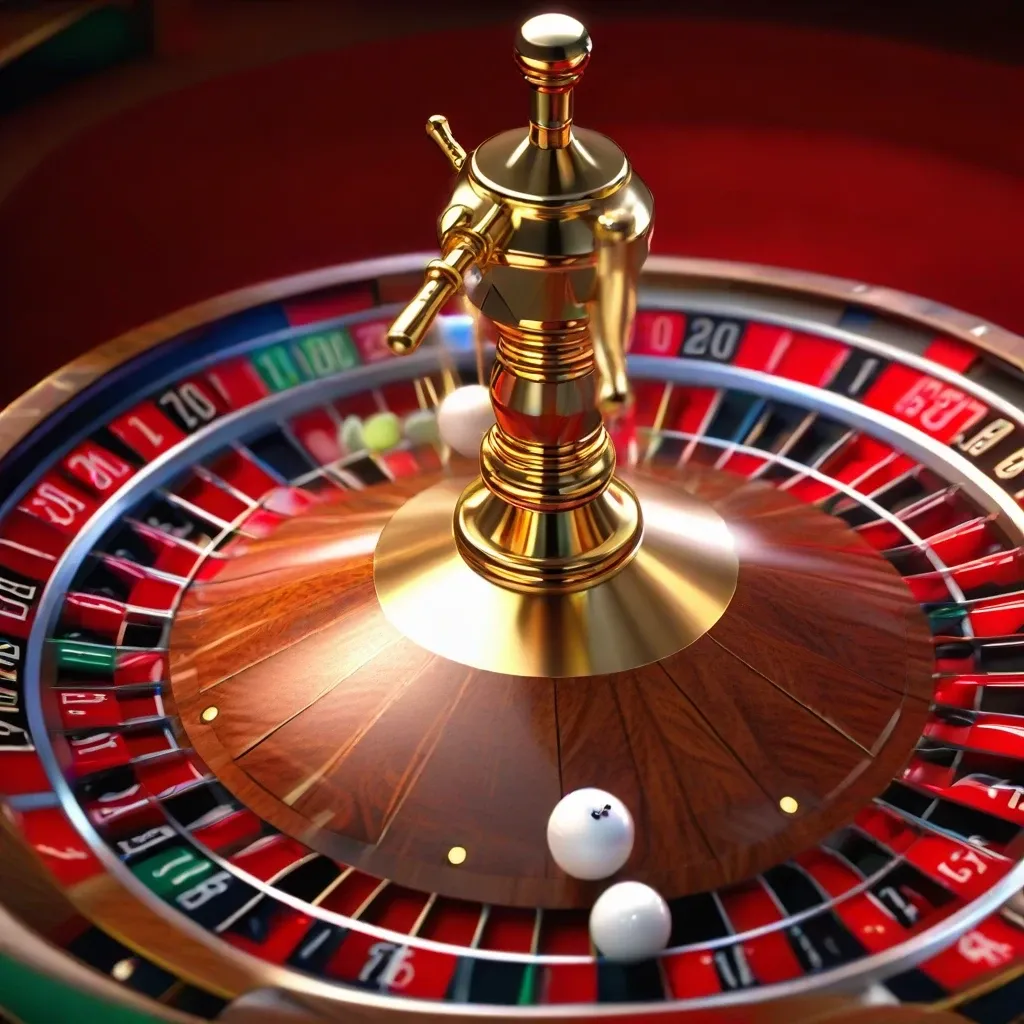
European vs. American Roulette: What an Expert Recommends
Roulette, a classic casino game, comes in several variants, with European and American roulette being the most popular. While they might seem similar at first glance, a crucial difference significantly impacts your odds – the presence of a double zero (“00”) in American roulette. This seemingly small addition has a dramatic effect on the house edge.
European roulette features numbers 1 to 36 and a single zero. This single zero gives the house an edge of approximately 2.7%. American roulette, however, includes both a single zero and a double zero. This addition nearly doubles the house edge to around 5.26%. This means that, on average, you’re expected to lose more than twice as much money playing American roulette compared to its European counterpart over the long run.
Beyond the extra zero, there can be other subtle differences. For example, the number sequence on the wheel might vary slightly. However, the core gameplay remains the same: players bet on where they think the ball will land on the spinning wheel. The payouts for winning bets are generally the same in both versions.
From an expert perspective, the recommendation is clear: opt for European roulette whenever possible. The significantly lower house edge gives you a much better chance of winning and extends your playing time. While the thrill of the game is undeniable regardless of the variant, choosing European roulette is a strategic move that smart players should always consider.
Responsible Gaming: From an Expert’s Perspective
Navigating the world of casinos and online games can be exhilarating, but it’s crucial to approach it with a responsible mindset. Think of responsible gaming as the guardrails on a race track – they’re there to keep you safe and in control, ensuring the thrill doesn’t turn into a spill.
One of the most effective strategies for responsible gaming is setting gambling limits. Before you even think about placing a bet, decide on a budget you’re comfortable losing. This isn’t about how much you hope to win, but how much you can realistically afford to lose without it impacting your daily life. Once you’ve established that number, stick to it. No exceptions. Consider it the cost of entertainment, like a ticket to a show or a round of golf.
Bankroll management is another cornerstone of responsible gaming. Don’t just throw your entire bankroll at one game. Divide it into smaller portions and allocate each portion to a specific session. If you happen to win, consider separating your winnings from your initial bankroll. This allows you to play with the “house’s money,” so to speak, and protects your original investment. Conversely, if you hit a losing streak, resist the urge to chase those losses. It’s a slippery slope that can quickly lead to financial hardship.
Recognizing the signs of problem gambling is also essential for casino safety. Are you spending more time and money on gambling than you intended? Are you borrowing money to gamble? Are you neglecting your responsibilities or relationships? If you answered yes to any of these questions, it’s time to seek help.
Remember, gambling should be viewed as a form of entertainment, not a source of income. By setting limits, managing your bankroll, and being aware of the warning signs, you can enjoy the excitement of the game while maintaining control and protecting your well-being.
Conclusion: The Wheel Keeps Turning
Roulette’s enduring appeal lies in its beautiful simplicity. It’s a game almost anyone can grasp immediately, offering a direct connection to the thrill of chance. That accessibility, combined with the social atmosphere fostered around the roulette table, makes it a consistently popular choice, both in brick-and-mortar casinos and the ever-expanding online gambling landscape.
The game permits you to manage risk. Unlike some high-stakes games of pure chance, roulette allows a degree of control through varied betting options. This sense of agency, however small, enhances the overall experience. The roulette wheel keeps turning, and it is the most popular casino game.