
In today’s world, many people are facing financial challenges. With the average household carrying a significant amount of debt, the need for effective financial strategies has never been more critical. There was a time when overspending felt normal, until the realization hit that financial goals were drifting further away. That’s when the concept of bankroll management became a game-changer.
Bankroll management isn’t just another term for budgeting—it’s a comprehensive approach to financial control that unlocks hidden savings and paves the way to financial freedom. This article provides actionable strategies to help to take control of your finances, save money, and start working towards a future where financial stress is a thing of the past. Consider this a guide to transforming the financial landscape, one strategic decision at a time.
What is Bankroll Management and Why Does It Matter?
Bankroll management is the strategic process of allocating and managing financial resources to maximize returns while minimizing risk. It’s a proactive approach that goes beyond simply tracking income and expenses; it’s about aligning daily financial decisions with long-term financial aspirations.
Think of it as a roadmap for your money. Whether you’re navigating the volatile world of stock trading or simply striving for financial security, effective bankroll management provides the structure and discipline needed to stay on course. It’s not just budgeting, although that’s a part of it. It’s about understanding your risk tolerance, setting realistic goals, and making informed decisions about how to deploy your capital.
The core of bankroll management lies in understanding and mitigating risk. It dictates how much of your available funds should be allocated to different investments or activities, ensuring that a single setback doesn’t wipe out your entire financial foundation. For example, a day trader might allocate only a small percentage of their total capital to any single trade, while someone managing their personal finances might diversify their investments across various asset classes.
Expert opinions across diverse financial fields consistently underscore the importance of bankroll management. It’s the cornerstone of sound financial planning and the key to transforming financial aspirations into tangible realities.
The Psychology of Spending
Spending habits are often driven by deeper psychological factors rather than purely rational calculations. Emotional spending, for example, arises when purchases are made to cope with feelings like stress or sadness. This impulse buying provides a temporary mood boost but can lead to financial problems in the long run.
Behavioral finance highlights how cognitive biases can also distort our financial decisions. We might fall prey to the “anchoring effect,” where we overvalue an item because its initial price was high, even if it’s now on sale. Social pressure is another powerful trigger; the desire to keep up with peers can lead to overspending on status symbols.
Marketing tactics are designed to exploit these vulnerabilities. Limited-time offers and persuasive advertising create a sense of urgency, encouraging impulsive purchases. Developing emotional intelligence – the ability to recognize and manage one’s emotions – is crucial for overcoming these triggers. Practical strategies include identifying personal spending triggers, practicing mindful consumption, and creating a budget that aligns with long-term financial goals. By understanding the psychology behind spending, individuals can gain greater control over their finances and build healthier saving habits.

Actionable Bankroll Management Techniques for Saving
Effective bankroll management isn’t just about knowing where your money goes; it’s about actively directing it towards your savings goals. Implementing concrete strategies can significantly increase your saving potential, regardless of your income level. Here are some actionable techniques to help you take control of your finances and boost your bankroll.
Zero-Based Budgeting: Give Every Dollar a Job
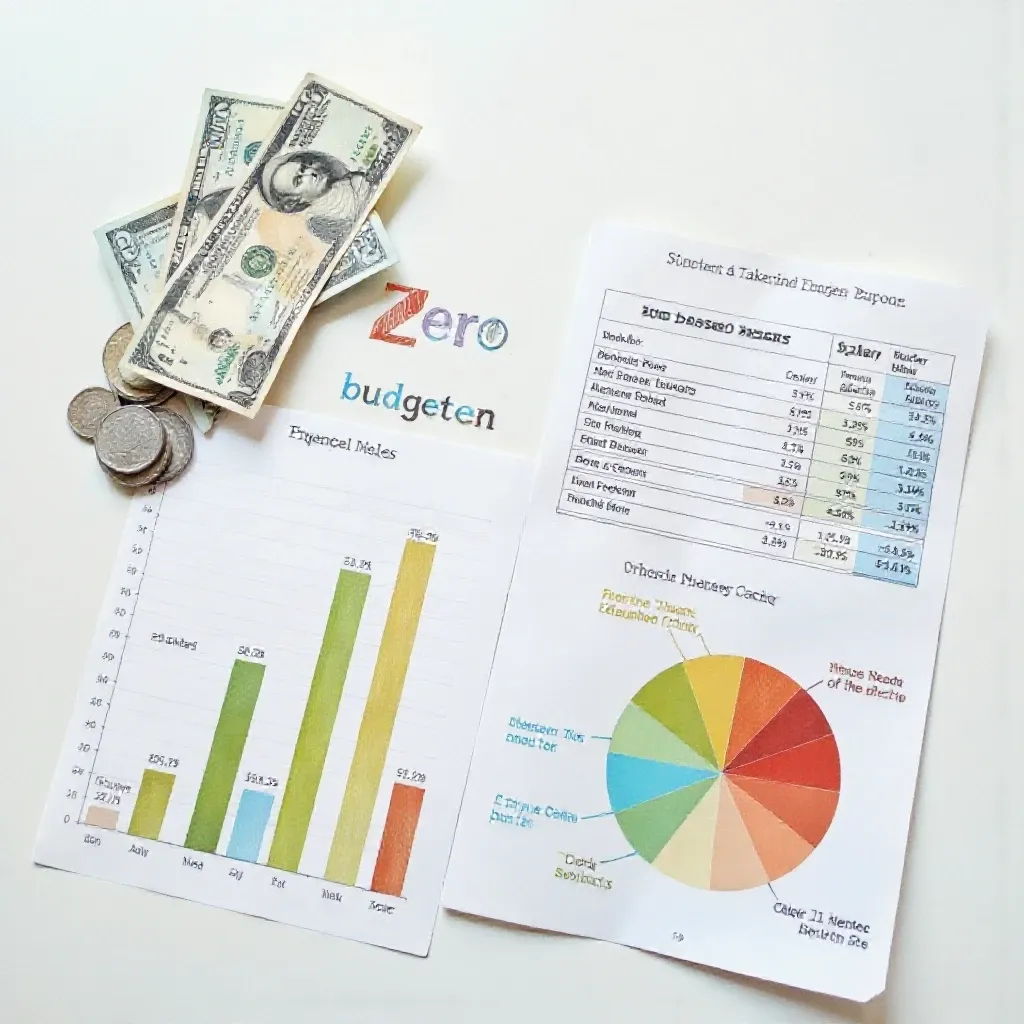
Zero-based budgeting is a powerful technique where you allocate every single dollar of your income to a specific purpose, aiming for a net zero balance at the end of the month. This doesn’t mean you have no money left; it means every dollar is accounted for, whether it’s for bills, groceries, entertainment, or savings.
How to implement it:
- Calculate your monthly income.
- List all your expenses, from fixed costs like rent and utilities to variable costs like food and transportation.
- Allocate funds to each expense category.
- The remaining balance is then directed towards your savings goals.If you have money left over, increase your savings allocation.. If your expenses exceed your income, identify areas where you can cut back.
Zero-based budgeting provides exceptional clarity on your spending habits and ensures that saving isn’t an afterthought, but an integral part of your financial plan.
The 50/30/20 Rule: A Simple Allocation Framework
The 50/30/20 rule offers a straightforward framework for allocating your income. It suggests dividing your after-tax income into three categories:
- 50% for Needs: Essential expenses like housing, transportation, food, and healthcare.
- 30% for Wants: Discretionary spending on entertainment, dining out, hobbies, and non-essential shopping.
- 20% for Savings and Debt Repayment: This includes contributions to savings accounts, investments, and paying down debts like credit cards or loans.
Implementing the 50/30/20 rule: Track your spending for a month to understand your current allocation. Then, adjust your spending to align with the recommended percentages. The flexibility of this rule allows you to adapt it to your specific circumstances. If your needs exceed 50% of your income, you may need to reduce your wants to ensure you can still allocate 20% to savings and debt repayment.
Micro-Saving: Small Amounts, Big Impact
Micro-saving involves saving small amounts of money consistently. This can be as simple as rounding up purchases to the nearest dollar and transferring the spare change to a savings account, or setting aside a fixed amount each day. While the individual amounts may seem insignificant, they accumulate over time, creating a surprisingly substantial savings cushion.
Getting started with micro-saving: Utilize mobile banking apps that offer round-up features or set up automatic transfers from your checking account to your savings account. The key is consistency. Even saving a few dollars each day can add up to hundreds or even thousands of dollars over the course of a year.
Tracking and Analyzing Your Progress
Selecting the right app or method
To effectively monitor and analyze your bankroll management strategies, selecting the right tools is essential. Begin by evaluating your personal spending habits and financial behaviors. Are you prone to forgetting small expenses? Do you often find yourself overspending in certain categories? Answering these questions will guide you toward the most suitable tracking method.
For those who struggle with manual tracking, a range of financial apps are available to automate the process. Consider features such as expense categorization, budget setting, and visual reporting. If you prefer a hands-on approach, traditional budgeting techniques like spreadsheets or notebooks can provide a detailed overview of your finances. The key is to choose a method that aligns with your lifestyle and helps you stay consistent in tracking your expenses.
Common Mistakes and How to Avoid Them
Even with the best intentions, managing finances effectively can be challenging. Several common budgeting mistakes can derail financial progress, but understanding and addressing them is key.
One frequent pitfall involves unrealistic budgets. Severely restricting spending often leads to frustration and abandonment of the budget altogether. A more sustainable approach involves creating a balanced budget that allows for some discretionary spending. It’s important to be realistic about spending habits and create allowances for entertainment or dining out.
Inconsistent tracking also undermines financial efforts. Sporadic monitoring provides an incomplete picture of your financial health, so use budgeting apps or spreadsheets to meticulously track every expense.
Another common error is giving up after financial setbacks. Unexpected expenses or income reductions can be discouraging, but it’s important to view them as temporary hurdles, not insurmountable obstacles. Adjust the budget as needed, explore options for increasing income, and stay committed to your long-term financial goals.
Lifestyle creep poses a significant challenge as income increases. Resist the temptation to upgrade your lifestyle every time you get a raise. Allocate a portion of the extra income towards financial goals such as debt repayment or investments, while allowing yourself a modest increase in discretionary spending.
Avoiding overspending is a constant battle. One effective strategy involves delaying gratification. Before making a non-essential purchase, wait a set period to consider if it is a need or a want. Another strategy is to avoid temptation by unsubscribing from promotional emails.
Real-Life Examples of Bankroll Management Success
Bankroll management isn’t just a theoretical concept; it’s a practical tool that has transformed the financial lives of countless individuals. These saving success stories demonstrate the power of disciplined budgeting and strategic allocation of resources. While names have been changed to protect privacy, the essence of their financial transformation remains:
- The Debt-Free Journey: Sarah, a young professional burdened with student loan debt, implemented a zero-based budget. By meticulously tracking her income and expenses, and allocating every dollar intentionally, she was able to aggressively pay down her debt. Within three years, Sarah achieved her goal of becoming debt-free, freeing up hundreds of dollars each month to invest in her future.
- Building an Emergency Fund: Mark and Emily, a young couple, struggled with unexpected expenses that constantly derailed their finances. They decided to prioritize building an emergency fund. By automating a small percentage of each paycheck into a dedicated savings account, they gradually built a safety net. This fund provided them with peace of mind and prevented them from accumulating high-interest debt when unexpected costs arose.
- Saving for a Down Payment: David, a first-time homebuyer, dreamed of owning a home. He embraced the “50/30/20” rule, allocating 50% of his income to needs, 30% to wants, and 20% to savings and debt repayment. By diligently following this budget, David was able to save a substantial down payment within a few years, making his dream of homeownership a reality.
- Maximizing Return in Investments: Maria, interested in growing her wealth, began using a bankroll management approach to investing. After setting clear financial goals, she diversified her portfolio across various asset classes in harmony with her risk tolerance. She regularly rebalanced her investments, selling winners and buying losers, to ensure she stayed on track to achieve her long-term return targets.
These real-life budgeting examples illustrate that regardless of income level or financial circumstances, effective bankroll management can pave the way for achieving financial goals and creating a more secure future.
Turning Savings into Investments
Smart bankroll management isn’t just about holding onto your money; it’s about strategically channeling those savings into investments that can grow your wealth over time. Think of it as planting seeds that, with careful nurturing, will blossom into a financial forest. Your disciplined bankroll becomes the fuel for your investment engine.
So, where does that fuel go? Several avenues exist. Stocks, representing ownership in companies, offer the potential for high growth, but also come with higher risk. Bonds, essentially loans to governments or corporations, are generally considered less risky, providing more stable, albeit often lower, returns. Mutual funds pool money from multiple investors to invest in a diversified portfolio of stocks, bonds, or other assets, offering a balance of risk and return. Another tangible investment can be found in real estate.
The key is adopting a long-term perspective. Investing isn’t a get-rich-quick scheme; it’s a marathon, not a sprint. The magic of compounding comes into play over time. Compounding is essentially earning returns on your returns – your initial investment earns money, and then that money earns even more money. For example, imagine you invest $1,000 and earn an average annual return of 7%. After one year, you’d have $1,070. The second year, you’d earn 7% on $1,070, not just the original $1,000, and so on. Over decades, this seemingly small difference can lead to substantial wealth accumulation.
Diversification is also important, don’t put all your eggs in one basket. Spreading your investments across different asset classes can help mitigate risk. For instance, instead of investing all your savings in a single stock, you might allocate 40% to stocks, 30% to bonds, 20% to real estate and 10% to a diverse mutual fund. This way, if one investment performs poorly, the others can help offset the losses. Financial planning can help you determine the asset allocation that best suits your risk tolerance, investment goals and time horizon. With proper planning, your bankroll investments can pave the way for long-term financial security and a comfortable retirement.
Conclusion
Bankroll management emerges as a cornerstone for individuals striving for financial control and tangible savings. The principles outlined illuminate a path toward unlocking hidden financial potential, transforming how one perceives and interacts with their money. By implementing astute budgeting, meticulous tracking, and disciplined allocation, individuals can systematically pave the way for achieving financial freedom.
The journey to financial well-being starts with a single step. Embrace these strategies, take charge of your financial narrative, and witness the transformative power of informed money management. For personalized guidance and expert financial advice to improve your bankroll management and learn how to invest to archive financial freedom, feel free to contact me.